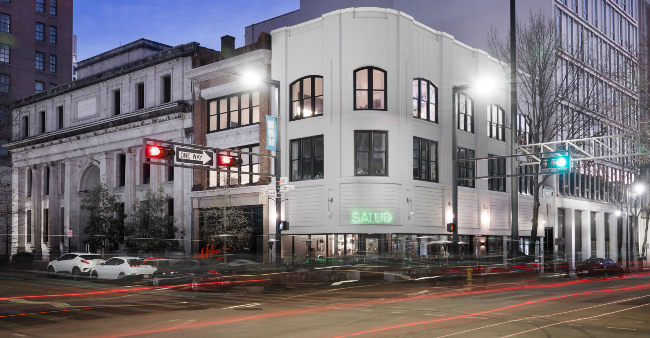
Our team likes to stay nimble by working in a variety of construction spaces, from retail to light industrial and a lot of specialties in between. In the last few years, we’ve seen an increase in our adaptive reuse projects, and I have to admit these are some of the most meaningful work with do. I ran across a great round up of why adaptive reuse continues to become more popular, and thought it was worth sharing some of the high points.
For those who may not be familiar, adaptive reuse involves converting an existing building from its original use to a new one. By way of example, in recent years, we have converted a steel processing plant into office and retail space, changed a 90-year-old car dealership into a technology incubator and re-fit a historic bus station into office space. Our resume of adaptive reuse and historical renovation is now several projects deep and includes multifamily, entertainment and mixed-use.
These projects all have a few things in common: They are typically in walkable locations and provide aesthetic and historical value to the neighborhood. Most of all, they make a lasting impact on the surrounding community.